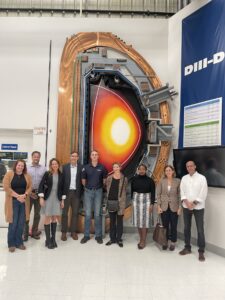
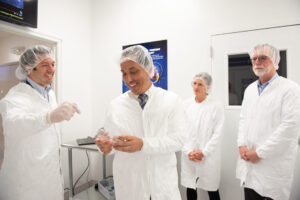
As a nonprofit, San Diego Regional EDC is supported by the investment of more than 150 public agencies, companies, and organizations like Cross Border Xpress.
With these investments, EDC provides direct support, aligned with regional Inclusive Growth goals, to companies of all sizes to drive San Diego’s economic prosperity and global competitiveness. EDC sat down with Cross Border Xpress, which shared its insights as a bridge between the Cali Baja region and it’s impact and competitiveness.
Read more about Cross Border Xpress‘s regional impact and support for EDC.
Tell us about Cross Border Xpress and its mission.
Cross Border Xpress (CBX) is an international air terminal in San Diego, California, directly connected to Tijuana International Airport in Baja California, Mexico via a 390-foot pedestrian sky bridge.
With 37 direct flights to Mexico, China, and the U.S., and land connectivity to more than 50 communities in California, plus Phoenix, Las Vegas, and El Paso, it is a true air and ground travel hub.
As the main gateway for passengers between Mexico and California, CBX’s mission is to provide an easy and efficient way to travel between Mexico and the United States, ensuring an excellent and enjoyable experience for all travelers.
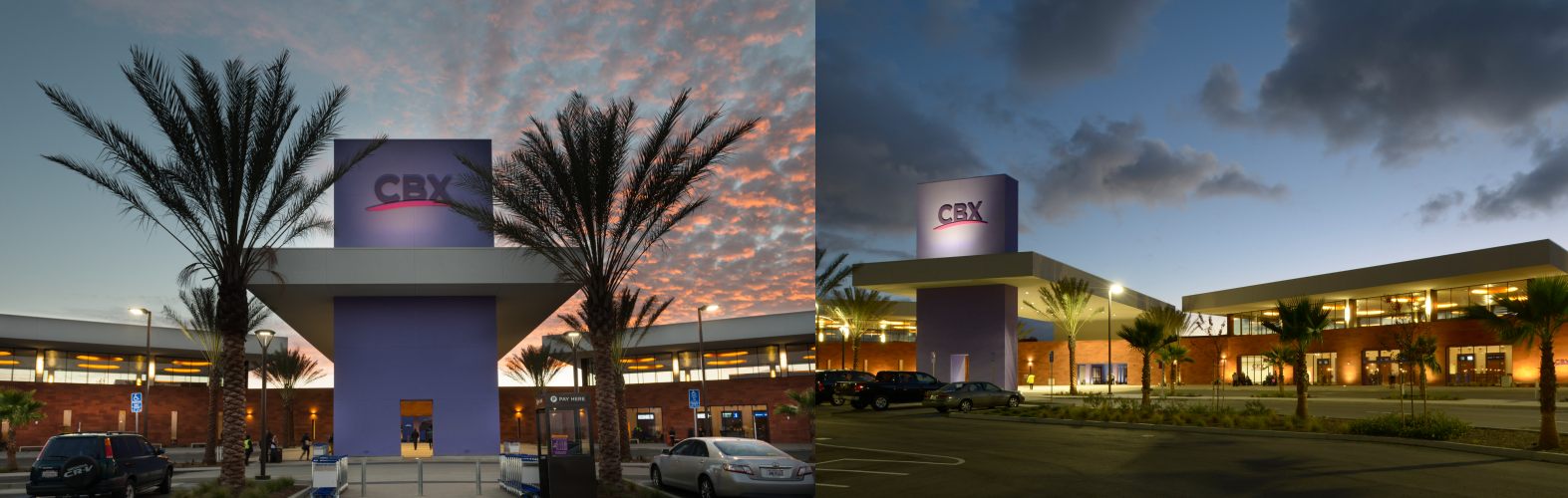
Additionally, CBX’s philanthropic arm, CBX Hand in Hand, which launched in 2020, contributes more than $350,000 annually to address the most pressing challenges in the Cali Baja region together with CBX’s passengers, business partners, and nonprofit allies. Through these efforts, CBX positively impacts the lives of more than one million people annually on both sides of the border.
CBX Hand in Hand’s latest campaign
Describe CBX’s impact over the last decade
CBX’s 10-year anniversary marks a monumental milestone for the company, an occasion for celebration, pride and recognition of the hard work of everyone who has been involved in its success during the past decade.
CBX was born out of a unique opportunity in the cross-border region: The need for an efficient and reliable alternative to air passengers crossing the border and facing long wait times—creating a true complementary airport for Southern California.
Since the opening, CBX has become the preferred gateway for travel in the region, playing host to more than 30 million total passengers. Becoming drivers of economic growth, CBX has created more than 700 direct jobs and generated $1.5 billion in annual economic impact. CBX is a major air and land transportation hub for Southern California, connecting the region with the Tijuana International Airport, which has grown from 22 to 40 destinations since 2015, with a network of buses and shuttles across the western U.S.
How has CBX collaborated with San Diego Regional EDC and its team?
San Diego Regional EDC is a key organization in the region and a strategic partner that shares a similar vision and goals to CBX. Throughout the years, CBX has worked with EDC’s international arm World Trade Center San Diego (WTCSD) to strengthen regional ties, promoting cross-border collaboration and boosting the economic development of the Cali Baja region.
Notably, CBX has contributed to WTCSD’s Binational Trade & Competitiveness study, which quantifies the Cali Baja region’s challenges, strengths, and growth opportunities across jobs, supply chains, and more.
What should San Diegans be on the lookout for ahead of CBX’s expansion?
As part of CBX’s long-term vision, the organization is advancing a comprehensive Master Plan for 2025–2030 designed to elevate the passenger experience, support regional economic growth, and strengthen our role in binational travel infrastructure.
Key projects currently in development include:
- Arrivals area expansion
- New Ground Transportation Center
- Enhanced Food & Beverage offerings
- On-site hotel
- Quick Turn-around area
- Car Service center
These investments reflect an ongoing commitment to innovation, efficiency, and delivering world-class service to every CBX traveler.
Interested in publishing an investor spotlight? Contact our team:

Enya Castañeda
Coordinator, Investor Relations & Marketing Communications